
Detoxing Your Way To Health
Silvia Graber RHN, AFMC
2/26/20262 min read
The word “detox” is everywhere-attached to diets, cleanses, teas, and supplements-but what does it actually mean?
Detoxification simply refers to the removal of toxins from the body.
Our bodies are inherently designed to do this. The liver, kidneys, digestive system, skin, and lymphatic system all work continuously to neutralize and eliminate substances we don’t need. Some argue that because the body already detoxes on its own, additional support is unnecessary. In theory, this is true, but in today’s world, our toxic load is far greater than it once was.
We are exposed daily to chemicals through the air we breathe, the water we drink, the food we eat, and the products we use on our skin and in our homes. Compared to even a century ago, the burden on our detoxification systems is significantly higher. Over time, this constant exposure can overwhelm the body’s natural elimination pathways and contribute to what are often called “diseases of excess,” including metabolic disorders, liver dysfunction, inflammatory conditions, allergies, and hormonal imbalances.
So how can we support the body?
Food is always a powerful place to begin. Choosing whole, nutrient-dense foods-ideally organic when possible-provides the vitamins, minerals, and phytonutrients needed for effective detoxification. Reducing processed foods, refined sugars, fried foods, and highly denatured products can dramatically decrease the stress placed on our organs of elimination.
Adequate hydration is equally essential, as water helps transport toxins out of the body through the bowels, urine, and skin.
Movement is another key detoxifier. Sweating through regular exercise supports detoxification via the skin and helps stimulate the lymphatic system, which relies on muscle movement rather than a pump. Symptoms such as fluid retention, puffiness, rashes, or dull skin can sometimes reflect lymphatic stagnation.
Sauna therapy, dry brushing, and consistent movement can all help encourage lymph flow-just be sure to rehydrate well afterward, ideally with some electrolytes.
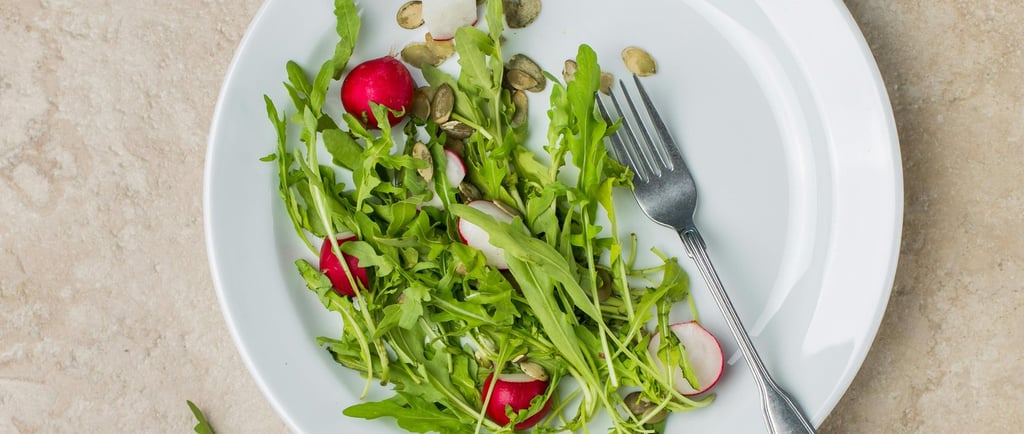
Certain foods and herbs also support elimination. Dandelion, burdock, nettles, cleavers, and yellow dock are traditional allies, as are bitter greens and cruciferous vegetables like arugula, broccoli, kale, cabbage, and cauliflower. Garlic and onions are among my personal favorites for their supportive and protective properties.
Some people also benefit from a short annual or biannual cleanse, especially as a reset or educational experience. Always consult a qualified practitioner if you have health conditions or take medications.
Finally, fasting-when appropriate-can be a powerful tool. Periods without food allow the body to rest, repair, and shift into alternative fuel use. While not suitable for everyone, fasting can improve metabolic flexibility, blood sugar balance, and awareness around eating habits. Medical guidance is essential for anyone with chronic conditions.
Ultimately, detox isn’t about restriction-it’s about support. When we nourish and respect the body, it knows exactly what to do.
Be well,
Silvia
If you need support in creating healthier habits and lifestyle for yourself, please book a free call with me here to get started :